Electric Heaters vs Gas Heaters: Which Is Better for Your Home?
Choosing the right heating system is essential for maintaining comfort and controlling energy costs in your home. During cold seasons, homeowners across the United States rely on efficient heating systems to keep indoor spaces warm and safe. Two of the most common options are electric heaters and gas heaters.
Each heating system has its own advantages, disadvantages, and best-use scenarios. The right choice depends on factors such as your home size, climate, budget, and energy availability.
In this guide, we will compare electric heaters and gas heaters in detail to help you decide which option is best for your home.
Understanding Electric Heaters
Electric heaters use electricity to generate heat. When electricity passes through a heating element, it produces heat that warms the surrounding air.
Electric heaters come in many forms, including:
- Portable space heaters
- Electric baseboard heaters
- Electric wall heaters
- Infrared heaters
- Electric furnaces
These heaters are widely used because they are easy to install and require minimal maintenance.
Understanding Gas Heaters
Gas heaters generate heat by burning natural gas or propane. The heat produced is then distributed throughout the home using air ducts or radiant heating systems.
Common types of gas heaters include:
- Gas furnaces
- Gas space heaters
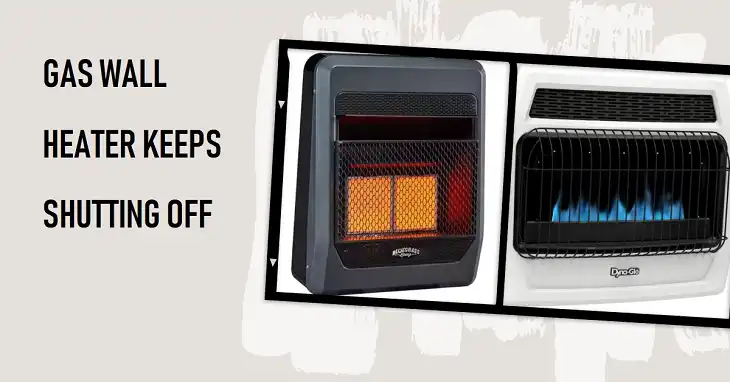
- Gas wall heaters
- Gas boilers
- Gas fireplaces
Gas heaters are popular in colder regions where strong heating performance is required.
Installation Cost Comparison
One of the biggest factors homeowners consider when choosing a heating system is the installation cost.
Electric Heater Installation
Electric heaters are generally easier and cheaper to install. Many electric space heaters simply plug into a wall outlet, while baseboard heaters may require minimal electrical wiring.
Average installation costs:
- Portable heaters: $30 – $200
- Baseboard heaters: $400 – $1,200
- Electric furnaces: $1,500 – $3,500
Electric heating systems are ideal for smaller homes, apartments, or individual rooms.
Gas Heater Installation
Gas heating systems usually require more complex installation. They need gas lines, ventilation systems, and professional installation.
Typical installation costs:
- Gas furnaces: $3,500 – $7,500
- Gas wall heaters: $1,500 – $4,000
- Gas boilers: $4,000 – $8,000
Because of these requirements, gas heaters typically have higher upfront costs.
Operating Cost Comparison
While gas heaters cost more to install, they often cost less to operate.
Electric Heating Costs
Electric heaters convert nearly all electricity into heat, making them very efficient. However, electricity is often more expensive than natural gas in many areas of the United States.
This means running electric heaters continuously can increase your monthly utility bills.
Electric heating works best for:
- Small homes
- Single rooms
- Mild climates
- Supplemental heating
Gas Heating Costs
Natural gas is usually cheaper than electricity in many parts of the U.S., which makes gas heating systems more economical for large homes.
Gas furnaces can heat an entire house more efficiently and at a lower long-term cost.
For households that require constant heating during winter, gas systems often provide better value.
Heating Performance
Another major difference between these systems is heating power.
Electric Heater Performance
Electric heaters are excellent for small areas or supplemental heating.
Advantages include:
- Instant heat
- Quiet operation
- Easy room control
However, electric heaters may struggle to heat large homes effectively.
Gas Heater Performance
Gas heaters are more powerful and can heat larger spaces quickly.
Advantages include:
- Strong heating output
- Faster warming of large homes
- Better performance in extremely cold climates
This is why many large homes rely on gas furnaces during winter.
Safety Considerations
Safety is an important factor when choosing a heating system.
Electric Heater Safety
Electric heaters are generally considered safer because they do not produce combustion gases.
Benefits include:
- No carbon monoxide risk
- No gas leaks
- Minimal ventilation requirements
However, portable electric heaters must be used carefully to avoid fire hazards.
Safety tips:
- Keep heaters away from furniture and curtains
- Avoid using damaged cords
- Never leave heaters unattended
Gas Heater Safety
Gas heaters require proper ventilation because they produce combustion gases.
Potential risks include:
- Carbon monoxide leaks
- Gas leaks
- Improper ventilation
Installing carbon monoxide detectors and scheduling regular maintenance can greatly reduce these risks.
Energy Efficiency
Efficiency measures how much energy is converted into heat.
Electric Heater Efficiency
Electric heaters are nearly 100% efficient at converting electricity into heat. However, electricity generation itself may involve energy losses at power plants.
This means that while electric heaters are efficient at the home level, they may not always be the most energy-efficient overall.
Gas Heater Efficiency
Modern gas furnaces can reach efficiency ratings of 90% to 98%.
High-efficiency gas systems use advanced heat exchangers to maximize energy use.
For whole-home heating, high-efficiency gas furnaces often outperform electric systems in terms of cost-effectiveness.
Maintenance Requirements
Both heating systems require some level of maintenance.
Electric Heater Maintenance
Electric heaters require minimal maintenance.
Typical tasks include:
- Cleaning dust from vents
- Inspecting electrical connections
- Replacing faulty heating elements
Because electric systems have fewer moving parts, they generally last longer without repairs.
Gas Heater Maintenance
Gas heating systems require regular maintenance to ensure safe operation.
Maintenance tasks include:
- Annual furnace inspection
- Cleaning burners
- Checking ventilation systems
- Inspecting gas lines
Professional servicing is recommended at least once per year.
Environmental Impact
Environmental impact is another factor homeowners consider.
Electric Heaters
Electric heating produces no emissions inside the home.
However, the environmental impact depends on how electricity is generated. If the power comes from renewable sources such as solar or wind, electric heating can be very environmentally friendly.
Gas Heaters
Gas heating produces carbon emissions due to combustion.
Although natural gas burns cleaner than coal or oil, it still contributes to greenhouse gas emissions.
Homeowners who want to reduce their carbon footprint often prefer electric heating combined with renewable energy.
Which Heating System Is Best for Your Home?
The best option depends on your specific needs.
Electric Heaters Are Best If
- You live in a small apartment or home
- You need portable or temporary heating
- Installation budget is limited
- You want a simple system with minimal maintenance
Gas Heaters Are Best If
- You live in a larger home
- Winters in your region are very cold
- Natural gas is available in your area
- You want lower long-term heating costs
Hybrid Heating Solutions
Some homeowners combine both systems for maximum efficiency.
For example:
- A gas furnace for whole-home heating
- Electric space heaters for individual rooms
This approach allows homeowners to reduce energy costs while maintaining comfort.
Final Thoughts
Both electric heaters and gas heaters offer effective ways to heat your home, but the right choice depends on your situation.
Electric heaters are affordable, easy to install, and ideal for smaller spaces or supplemental heating. Gas heaters, on the other hand, provide stronger heating power and lower long-term operating costs for larger homes.
Before making a decision, consider your home size, local energy costs, climate, and installation budget.
Choosing the right heating system will help keep your home comfortable, energy-efficient, and cost-effective during the cold months.