5 Energy-Saving Tips for Your Home HVAC System
Heating, ventilation, and air conditioning (HVAC) systems are essential for maintaining comfort in homes across the United States. Whether it’s staying cool during hot summers or keeping warm in winter, HVAC systems play a major role in everyday living.
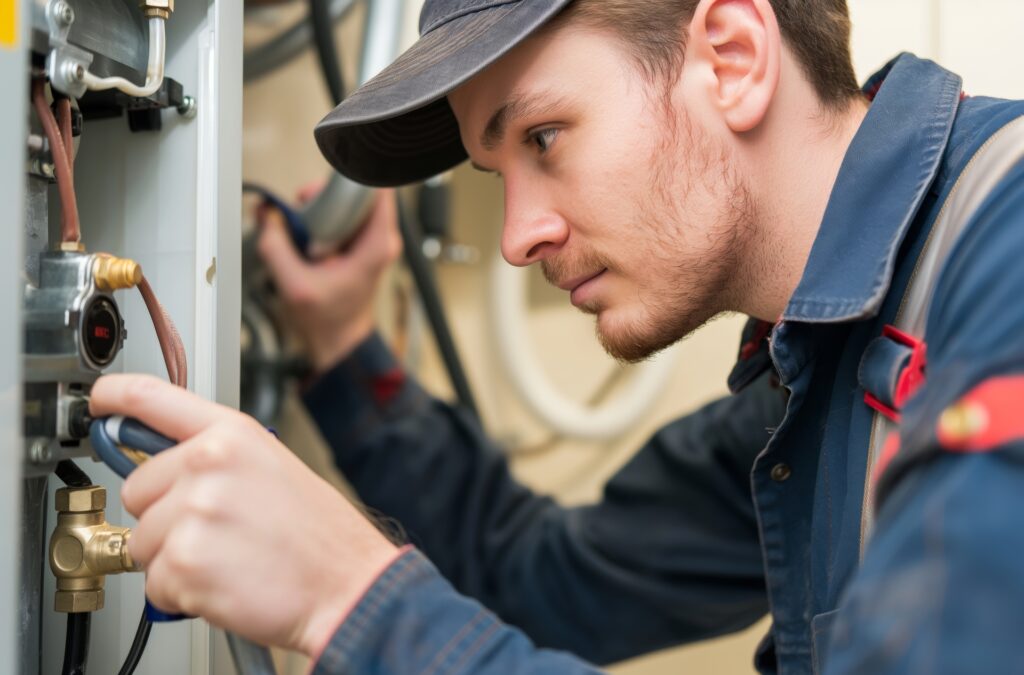
However, HVAC systems are also one of the largest energy consumers in American households. According to the U.S. Department of Energy, heating and cooling can account for nearly half of a home’s total energy use.
The good news is that with a few smart strategies, homeowners can significantly reduce energy consumption while maintaining a comfortable indoor environment. Improving HVAC efficiency not only lowers energy bills but also extends the life of your equipment.
In this guide, we’ll explore five effective energy-saving tips for your home HVAC system.
1. Regularly Replace or Clean Air Filters
One of the simplest yet most important ways to improve HVAC efficiency is by maintaining clean air filters.
Air filters trap dust, pollen, and other airborne particles, preventing them from entering your HVAC system and circulating throughout your home. Over time, these filters become clogged with debris, which restricts airflow.
When airflow is restricted, the HVAC system must work harder to push air through the system, leading to higher energy consumption and increased wear on the equipment.
How Often Should You Replace Filters?
Most HVAC experts recommend replacing air filters every 1 to 3 months, depending on factors such as:
- Household size
- Presence of pets
- Indoor air quality
- Local environmental conditions
Homes with pets or high dust levels may require more frequent filter changes.
Regular filter maintenance can improve airflow, reduce energy use, and maintain better indoor air quality.
2. Install a Programmable or Smart Thermostat
Another effective way to save energy is by installing a programmable or smart thermostat.
Traditional thermostats require manual adjustment, which often leads to unnecessary heating or cooling when no one is home.
Modern thermostats allow homeowners to automatically adjust temperatures based on daily schedules.
Popular thermostat brands include Nest Labs and Ecobee, which offer smart features such as remote control through smartphone apps and energy usage reports.
Benefits of Smart Thermostats
Smart thermostats help homeowners:
- Reduce energy consumption
- Maintain consistent temperatures
- Automatically adjust settings based on occupancy
- Monitor energy usage
According to the Environmental Protection Agency, properly using a programmable thermostat can reduce heating and cooling costs by up to 10% annually.
3. Seal Air Leaks and Improve Insulation
Even the most efficient HVAC system will struggle if your home has poor insulation or air leaks.
Air leaks allow conditioned air to escape, forcing your HVAC system to run longer to maintain the desired temperature.
Common areas where air leaks occur include:
- Windows and doors
- Attic spaces
- Electrical outlets
- Ductwork connections
- Basement walls
How to Improve Insulation
To reduce air leaks and improve energy efficiency:
- Use weatherstripping around doors and windows
- Seal gaps with caulk
- Install proper attic insulation
- Check ductwork for leaks
Improving insulation helps maintain indoor temperatures and reduces the workload on your HVAC system.
4. Schedule Regular HVAC Maintenance
Just like a car, HVAC systems require regular maintenance to operate efficiently.
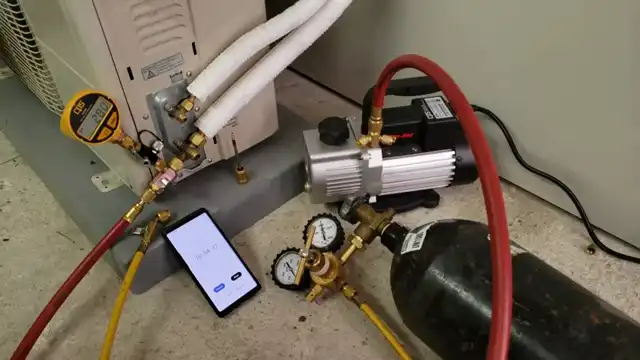
Over time, components such as coils, fans, and compressors accumulate dust and wear down. Without proper maintenance, these issues can reduce system efficiency and increase energy usage.
Scheduling professional maintenance at least once or twice per year helps ensure your HVAC system operates at peak performance.
What Happens During HVAC Maintenance?
A professional HVAC technician typically performs the following tasks:
- Cleaning condenser and evaporator coils
- Checking refrigerant levels
- Inspecting electrical connections
- Lubricating moving parts
- Testing thermostat functionality
Routine maintenance can prevent expensive repairs and extend the lifespan of your HVAC system.
5. Use Ceiling Fans to Support Air Circulation
Many homeowners underestimate the value of ceiling fans in improving HVAC efficiency.
Ceiling fans help circulate air more effectively, allowing your HVAC system to maintain comfortable temperatures with less effort.
Summer Benefits
During summer, ceiling fans create a wind-chill effect that makes rooms feel cooler.
This allows homeowners to raise the thermostat setting slightly while maintaining comfort.
Winter Benefits
In winter, ceiling fans can be reversed to push warm air downward from the ceiling.
Warm air naturally rises, so reversing fan direction helps redistribute heat throughout the room.
Using ceiling fans properly can reduce reliance on HVAC systems and lower energy consumption.
Bonus Tip: Upgrade to an Energy-Efficient HVAC System
If your HVAC system is more than 10–15 years old, upgrading to a modern energy-efficient system may provide significant savings.
New HVAC systems are designed to meet stricter energy efficiency standards.
Key efficiency ratings include:
- SEER (Seasonal Energy Efficiency Ratio) for air conditioners
- AFUE (Annual Fuel Utilization Efficiency) for furnaces
Higher ratings indicate greater efficiency and lower energy usage.
Although upgrading requires an initial investment, many homeowners recover the cost through lower energy bills over time.
Additionally, government programs and local utility companies may offer rebates or incentives for installing energy-efficient systems.
Benefits of Improving HVAC Efficiency
Improving HVAC efficiency provides several advantages beyond lower energy bills.
Lower Utility Costs
Reducing energy consumption directly decreases monthly electricity and heating costs.
Longer Equipment Lifespan
Well-maintained systems experience less strain and tend to last longer.
Improved Indoor Comfort
Efficient HVAC systems maintain more consistent temperatures throughout the home.
Better Indoor Air Quality
Regular maintenance and clean filters help reduce allergens and pollutants.
Final Thoughts
HVAC systems play a critical role in maintaining comfort in homes across the United States, but they also represent a significant portion of household energy use.
Fortunately, simple steps such as replacing air filters, installing smart thermostats, sealing air leaks, scheduling maintenance, and using ceiling fans can greatly improve HVAC efficiency.
By implementing these energy-saving strategies, homeowners can reduce utility bills, extend the life of their HVAC systems, and create a more comfortable indoor environment.
With a little attention and maintenance, your HVAC system can operate efficiently for many years while keeping your home comfortable in every season.