7 Best Wireless Thermostat Picks for Home Comfort
Imagine walking into a home that greets you with the perfect temperature, no matter the season or your schedule. A wireless thermostat does more than just replace an old dial—it learns your habits, cuts energy waste, and lets you control climate from anywhere with a tap on your phone. Choosing the right model matters because the wrong device can leave you with connectivity hiccups, limited features, or higher utility bills. In this post we’ve sifted through the market to spotlight the seven top wireless thermostats, weighing ease of installation, smart‑home compatibility, and overall value. Read on to discover which smart thermostat will keep your comfort—and your wallet—in sync.
7 Best Wireless Thermostats for Smart Homes
We’ve tested dozens of models, so you can confidently choose the perfect smart thermostat that fits your home and budget.
7. Honeywell Home RTH7600D Programmable Thermostat

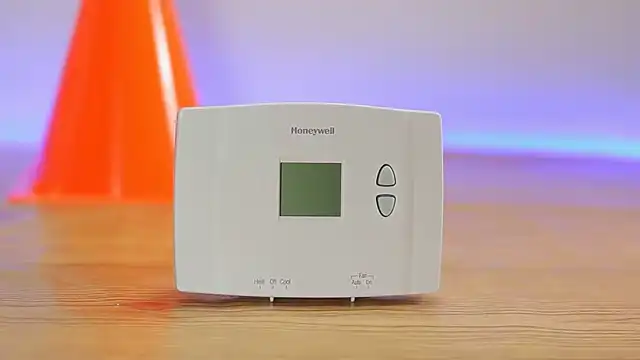
The Honeywell Home RTH7600D brings modern comfort to any home with its large, backlit touchscreen that simultaneously shows the current room temperature and the set‑point. Programming is simple thanks to a 7‑day, menu‑driven interface with four periods per day, letting you tailor heating and cooling schedules to your lifestyle. The built‑in real‑time clock automatically adjusts for Daylight Savings Time, so your program never drifts.
Energy savings are easy to achieve: set distinct home and away temperatures, use temporary or permanent holds for vacations, and let the thermostat’s Smart Response Technology learn how long your furnace or air conditioner needs to reach the desired temperature. A protective compressor‑delay setting prevents short‑cycling, while alerts for filter changes and low batteries keep the system running smoothly. Installation is straightforward, and the unit works with a wide range of systems—including single‑stage, multi‑stage, heat‑pump, and even gas fireplaces—making it a versatile upgrade for most HVAC setups.
Pros
- Intuitive touchscreen with simultaneous temperature readouts
- Robust 7‑day programmable schedule with Smart Response learning
- Energy‑saving home/away modes and protective compressor delay
Cons
- May require a compatible 24 V HVAC control board for full functionality
- No built‑in Wi‑Fi; remote control requires an additional Honeywell hub or app accessory.
6. Emerson Sensi Touch Wi-Fi Smart Thermostat

The Emerson Sensi Touch Wi‑Fi Smart Thermostat blends sleek, modern design with powerful energy‑saving technology. Its 5.6‑inch color touchscreen displays crisp, easy‑to‑read temperatures and intuitive menus, while the black finish adds a sophisticated touch to any décor. Installation is a breeze: the built‑in level, illuminated easy‑click terminals, and step‑by‑step guidance in the Sensi app let you wire the unit yourself—just be sure a common (C) wire is present. Once online, the thermostat connects to your Wi‑Fi and works seamlessly with Alexa, letting you adjust the climate with voice commands or from anywhere via the iOS/Android app. ENERGY STAR certification means you can expect roughly a 23 % reduction in HVAC energy use, thanks to flexible scheduling, remote access, and detailed usage reports. Sensi also safeguards your privacy—your personal data never gets sold to third parties. Smart maintenance alerts keep you informed about system performance, filter changes, and other upkeep, helping your HVAC run efficiently year‑round.
Pros
- Easy DIY installation with built‑in level and illuminated terminals.
- Significant energy savings (≈23 %) via ENERGY STAR‑certified features and detailed reports.
- Full remote control & voice integration through the Sensi app and Alexa.
Cons
- Requires a C‑wire, which may not be present in older homes and could need additional wiring.
- The large touchscreen may be too bright for some users in dark rooms without an adjustable backlight setting.
5. Sensi ST25 Thermostat

The Sensi Lite Smart Thermostat (ST25) brings modern comfort control to any home without the hassle of a full‑blown installation. Its built‑in level and step‑by‑step guide let you mount the unit yourself in minutes, and the sleek black design blends seamlessly with any décor. Thanks to Wi‑Fi connectivity, you can adjust temperature from your phone, tablet, or voice‑assistant—Alexa works right out of the box. The thermostat is ENERGY STAR‑certified, delivering roughly 23 % savings on HVAC energy use through flexible scheduling, geofencing, and detailed usage reports. Sensi also puts privacy first: your data stays private and is never sold or used for advertising. Most homes won’t need a C‑wire, but heat‑pump and heat‑only/cool‑only systems do require one, which is clearly noted in the packaging.
Pros
- Easy DIY installation – built‑in level and intuitive instructions get you up and running fast.
- Energy‑saving features – smart scheduling, geofencing, and remote control cut HVAC costs by up to 23 %.
- Full remote control & Alexa integration – manage comfort from anywhere on iOS or Android.
Cons
- C‑wire requirement for heat‑pump or heat‑only/cool‑only systems – may need an extra wiring step for those setups.
- Limited advanced HVAC features – lacks multi‑stage heating/cooling support found on higher‑end models.
4. Amazon Smart Thermostat E

The Amazon Smart Thermostat turns a classic wall‑mounted controller into a connected, energy‑saving hub that works seamlessly with Alexa and Ring. Installation is guided step‑by‑step in the Alexa app, and because it’s built on Honeywell Home’s 130‑year‑old thermostat technology, you get reliable performance right out of the box. Once set up, the thermostat creates comfort zones by syncing with selected Echo devices or an Amazon Smart Air Quality Monitor, automatically adjusting heating and cooling based on temperature readings or presence detection.
After purchase, Amazon emails you potential rebates from local energy providers, and the ENERGY STAR certification means you can expect roughly $50 in yearly savings on average. Alexa can switch between your preferred “home,” “away,” and “sleep” temperatures automatically, and you can always override or set the temperature from anywhere using the Alexa app. The system also integrates with Alexa+, letting you launch voice‑only routines, control multiple smart devices at once, and even chat casually to make requests.
Pros
- Smart comfort zones – Auto‑adjusts climate using Echo devices or the Air Quality Monitor.
- Energy & cost savings – ENERGY STAR certified with typical $50/year bill reduction and possible utility rebates.
- Full Alexa integration – Hands‑free control, automatic mode switching, and on‑the‑go app access.
Cons
- C‑wire required – Installation needs a dedicated power wire, which may require professional help in older homes.
- Limited third‑party ecosystem – Best performance is achieved within the Amazon/Alexa ecosystem; integration with non‑Amazon platforms can be less seamless.
3. Google Nest Thermostat E
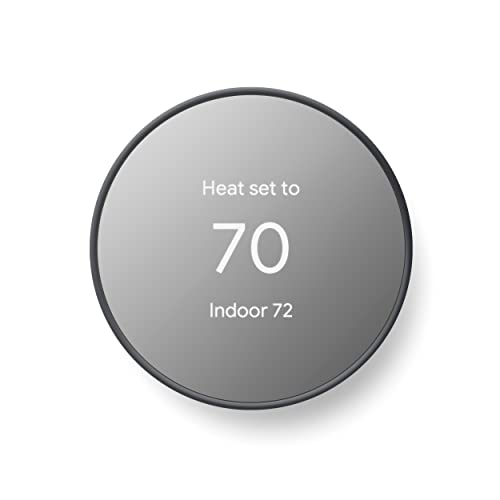
The Google Nest Thermostat in sleek Charcoal brings smart comfort to any home. It’s ENERGY STAR certified, so it constantly balances temperature and energy use, learning your schedule and automatically turning itself down when the house is empty. Set up and manage your climate from the Google Home app on Android or iPhone, or simply ask Google Assistant, Alexa, or any Matter‑compatible voice assistant to adjust the temperature. Dual‑band Wi‑Fi (2.4 GHz & 5 GHz) and Bluetooth Low Energy keep the thermostat connected to your network and to other Nest devices for seamless inter‑room control. The built‑in Savings Finder scans your usage patterns and suggests tweaks that can lower bills—many users qualify for utility rebates. HVAC monitoring watches your heating and cooling equipment, sending alerts if something looks off and offering maintenance reminders. Compatibility checks are easy with Nest’s online Compatibility Checker; most homes don’t need a C‑wire, though some heat‑pump or zone‑controlled systems may require one or a power accessory.
Pros
- Energy‑saving intelligence – automatic “away” mode, Savings Finder suggestions, and ENERGY STAR certification reduce utility costs.
- Universal smart‑home integration – works with Google Home, Matter‑certified assistants, and the Google Home app for remote or voice control.
- Robust connectivity – dual‑band Wi‑Fi plus Bluetooth Low Energy ensure reliable communication and easy setup.
Cons
- C‑wire requirement for some systems – certain heat‑pump, zone‑controlled, or heating‑only setups may need a C‑wire or additional power accessory.
- No lock feature – the thermostat cannot be locked to prevent temperature changes by guests or children.
2. Sensi ST55 Smart Thermostat

The Sensi Smart Thermostat (ST55) brings a century of HVAC expertise into a sleek, familiar‑looking device that fits right where your old thermostat lived. Thanks to built‑in Wi‑Fi and a dedicated mobile app, you can program schedules, adjust the temperature from anywhere, and sync it with Alexa for voice control. The thermostat’s privacy‑first design means Sensi never sells your personal data, and the ENERGY STAR certification promises up to 23 % savings on HVAC energy through flexible scheduling, remote access, and detailed usage reports. Installation is a breeze: the built‑in level and step‑by‑step app guidance let most homeowners finish the job in minutes, and a common wire (c‑wire) isn’t required for most setups. Smart maintenance features keep you informed with performance alerts, filter‑change reminders, and efficiency reports, while the familiar button layout means no patching or painting is needed.
Pros
- Strong privacy protection – your data stays private, never sold to third parties.
- Easy DIY installation – built‑in level, app guidance, and no mandatory c‑wire for most homes.
- Energy savings & smart maintenance – ENERGY STAR‑rated, up to 23 % lower HVAC costs, plus alerts and usage reports.
Cons
- Requires a stable Wi‑Fi connection; performance may degrade in weak‑signal areas.
- Some older HVAC systems may need a compatible adapter for full feature set.
1. Honeywell Home RTH9585WF1004 Wi-Fi Smart Thermostat

The Honeywell Home RTH9585WF1004 Wi‑Fi Smart Color Thermostat brings modern comfort to any room. Its vibrant, customizable color touchscreen blends seamlessly with your décor while delivering crystal‑clear readouts and intuitive controls. Connect to Wi‑Fi and manage temperature from anywhere via the Honeywell Home app, Amazon Alexa, or Google Home. The thermostat supports forced‑air, hot‑water, steam, and heat‑pump systems (with electric backup) and includes fan‑control options—On, Automatic, and Circulate. Energy Star certification means you’ll receive monthly energy reports, personalized savings tips, and the chance to enroll in utility demand‑response programs for rebates or rewards. A required C‑wire ensures reliable power, and a compatible power adapter is available if needed.
Pros
- Personalizable color display – matches your interior style while staying easy to read.
- Robust smart integration – works with Alexa, Google Home, and the Honeywell app for remote control and scheduling.
- Energy‑saving tools – Energy Star reporting, utility rebate eligibility, and demand‑response participation help lower bills.
Cons
- C‑wire requirement – installation may need a dedicated C‑wire or an additional power adapter, adding complexity for older homes.
- Not compatible with electric baseboard heat – limits use in homes that rely solely on 120‑240 V baseboard heaters.
Buying Guide
Choosing the right wireless thermostat hinges on compatibility with your HVAC system, ease of installation, and long‑term reliability, while also delivering the smart features you need for comfort and energy savings.
- System compatibility and wiring requirements – Verify that the thermostat supports your heating and cooling setup (e.g., gas, electric, heat pump) and that any required C‑wire or adapters are included.
- Smart functionality and integration – Look for Wi‑Fi connectivity, app control, voice‑assistant compatibility (Alexa, Google Assistant, Siri), and the ability to create schedules or geofencing rules.
- User interface and display quality – A clear touchscreen or intuitive dial, along with readable graphics, makes daily adjustments simple for all household members.
- Energy‑saving features and reporting – Models that provide usage insights, adaptive learning, or seasonal auto‑tuning help lower utility bills and reduce waste.
- Build quality, warranty, and customer feedback – Durable housing, a solid warranty, and positive reviews indicate long‑term performance and support.
By weighing these factors, you can select a wireless thermostat that fits your home’s technical needs, enhances convenience, and delivers lasting value.
Frequently Asked Questions
What features should I look for when choosing the best wireless thermostat?
- Wi‑Fi connectivity – Enables remote control via smartphone apps and integration with voice assistants (Alexa, Google Assistant, Siri).
- Learning capabilities – Some models (e.g., Nest) adapt to your schedule automatically, reducing manual programming.
- Compatibility – Verify that the thermostat works with your HVAC system (single‑stage, multi‑stage, heat pump, etc.) and any existing smart home hubs.
- Energy reports – Detailed usage stats help you spot savings opportunities and qualify for utility rebates.
- Geofencing & mobile alerts – Automatic “away” mode when you leave home and notifications for extreme temperatures or system issues.
Are there any wireless thermostats that work well with both Alexa and Google Home?
Yes. The following models provide seamless dual‑assistant support:
| Thermostat | Alexa Compatibility | Google Assistant Compatibility | Notable Extras |
|---|---|---|---|
| Ecobee SmartThermostat | ✅ Voice control via built‑in mic or Echo devices | ✅ Works with Google Home | Includes a room sensor for balanced heating/cooling |
| Google Nest Learning Thermostat | ✅ Via the Google Home app (Alexa skill available) | ✅ Native integration | Learns your schedule over time |
| Honeywell Home T9 | ✅ Alexa skill available | ✅ Google Assistant integration | Uses optional remote sensors for multi‑room comfort |
All three connect over Wi‑Fi, support geofencing, and provide detailed energy‑usage insights.
How much can I expect to save by upgrading to a top‑rated wireless thermostat?
- Typical savings: 10‑15 % on heating and cooling bills, according to EPA estimates.
- Real‑world examples:
- A 2,500 sq ft home in a mixed climate saw a 12 % reduction (~$180/year) after switching to an Ecobee SmartThermostat.
- A 1,800 sq ft apartment using a Nest Learning Thermostat reported a 9 % drop (~$95/year).
- Tips to maximize savings:
- Enable auto‑away or geofencing so the system isn’t running when no one’s home.
- Use energy‑saving schedules or let the thermostat learn your routine.
- Take advantage of utility rebates—many providers offer $30‑$75 incentives for installing a certified smart thermostat.
Overall, the upfront cost (typically $150‑$250) is often recouped within 2‑3 years through lower energy bills.
Conclusion
Choosing the right wireless thermostat ultimately comes down to how well it fits your lifestyle, home infrastructure, and energy‑saving goals. Look for a unit that offers intuitive control—whether through a sleek touch screen, voice assistant, or smartphone app—so you can adjust temperature on the fly without hassle. Seamless integration with existing HVAC systems and smart‑home ecosystems ensures reliable performance and future‑proof flexibility. Robust scheduling and learning features can fine‑tune comfort while trimming utility bills, and strong security protocols protect your data. By weighing these factors, you’ll secure a thermostat that delivers lasting convenience, efficiency, and peace of mind in daily life.